Archive for July, 2025

#106 Vending Machine

Posted in Uncategorized on July 8, 2025 by Dr. David C Lowery

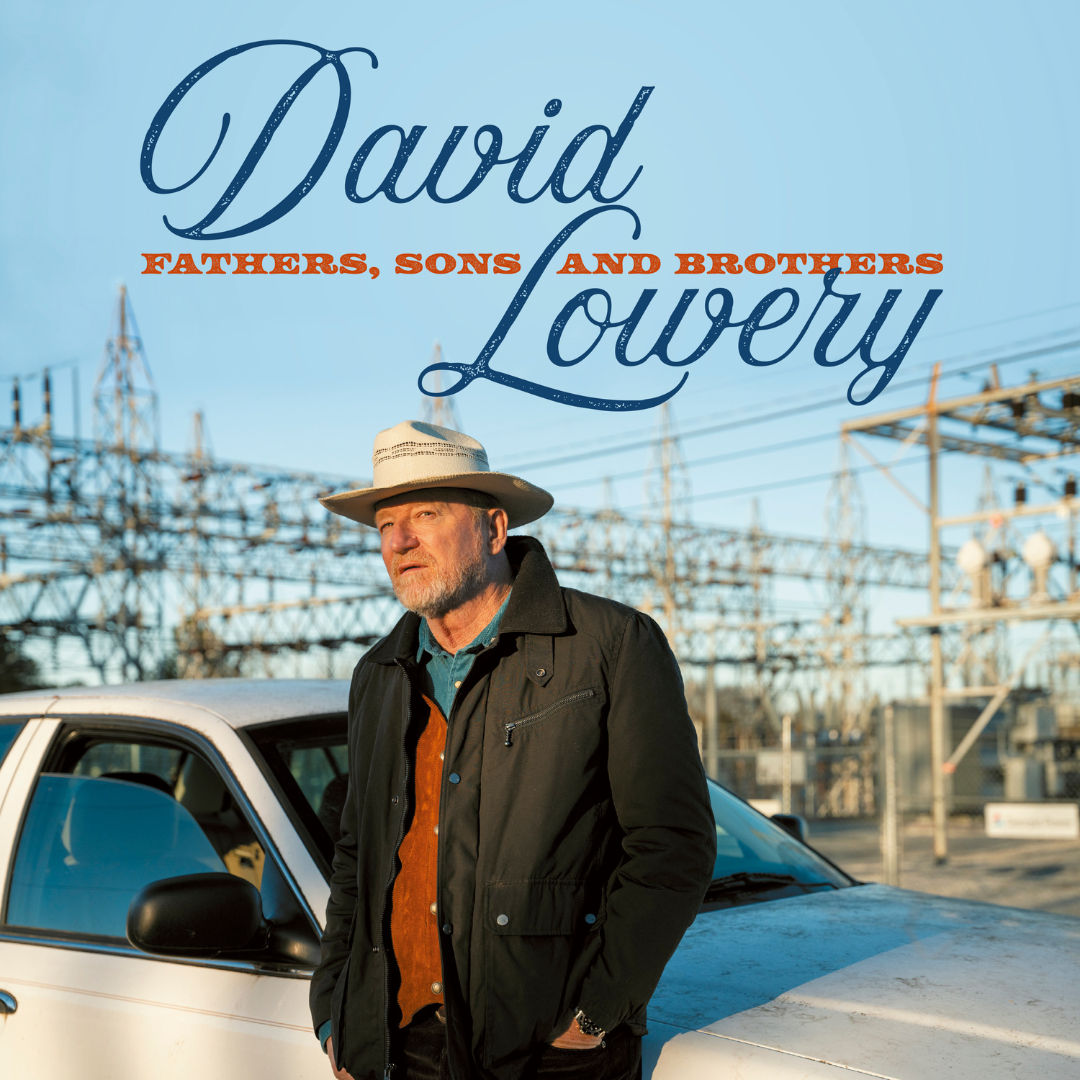
Stream or buy this album here: https://davidl.lnk.to/FSB

In the spring of 2005, the recently reunited Camper Van Beethoven went on tour with Modest Mouse. This was more or less in support of our album “New Roman Times.” We were invited because Isaac Brock, the driving force behind Modest Mouse, was a big fan and supporter of Camper Van Beethoven. Even though we were from different generations, he saw our band as part of the same musical lineage and figured his fans would probably appreciate us, too. At the time, Modest Mouse’s fourth album, “Good News for People Who Love Bad News”—propelled by the single “Float On”—was breaking into the mainstream. While their early fanbase had a lot in common with ours, they were now playing to a much wider audience, and sometimes it wasn’t the best fit for Camper Van Beethoven. Still, we enjoyed the tour and spent a lot of time hanging out with the members of Modest Mouse and their crew. There was plenty of downtime, which sometimes meant some pretty serious drinking and drugs. At the end-of-tour after-party—somehow held in the offices of Spin Magazine in New York—I woke up in the early hours of the morning, sleeping under the publisher’s desk. I’d just been looking for a cool, dark place to sleep off whatever I’d gotten into that night. I woke up when one of the photographers tried to discreetly snap a photo and ended up kicking over a couple of beer bottles on the floor. I was 44 at the time, and it hit me that I had kids who might one day see that photo. I was embarrassed.

On the drive back to Richmond, I decided I needed to clean up and get sober. At the time, I was one of the owners of Sound of Music Studios in Richmond, Virginia. The studio was housed in a four-story, turn-of-the-century building on Broad Street in downtown Richmond. It also served as a rehearsal space and office for the bands. I spent a lot of time in that building. At the back was a kind of atrium, with a wall of enormous sash windows rising nearly thirty feet above the alley. Miguel Rodrigues-Urbiztondo had set up the atrium as a sort of coffeehouse lounge for the studio. It was decorated with cast-off furniture and paintings we’d found in the alley, as that part of Richmond was quickly transforming from run-down offices and apartments to shiny new restaurants and lofts. Miguel had a green thumb and had filled the space with tropical plants and climbing vines in pots. He also had a manual coffee grinder and would buy 50-pound bags of beans to grind himself. The place always smelled of fresh coffee and flowers.

Informally, the atrium had become a clubhouse for much of the Richmond music scene, largely because house engineer and producer John Morand seemed to know everyone in town. John was always welcoming, and there were people hanging out in the lounge day and night, whether they were recording or not.

I spent a lot of time there. Even when I didn’t have work at the studio, I’d often go down to do emails or make phone calls. The atrium looked out onto the back alley, and directly across was a run-down apartment building that was basically a trap house. There were always sketchy people hanging around and drug deals going on. It seemed odd, because just a couple doors down on our side of the alley was a very busy AA/NA meeting place—probably hosting four meetings a day, and on weekends it seemed to run all night. John used to joke that the meeting place was conveniently located next to its supply of substance abusers.

Before and after meetings, many of the attendees would stand out in the alley, smoking, chatting, and catching up. By 2005, the studio had been there for ten years, and I recognized a lot of the regulars. So, after we finished loading Camper Van Beethoven’s gear into the studio basement, I slipped out the back and went looking for that crowd in the alley. As expected, they’d just finished their 5:30–6:30 meeting, and there was quite a crowd. There was one Black man who was always friendly to me, and we’d learned each other’s names. Instead of just nodding hello, I walked up to him and stood there, a bit sheepish, while he joked with his friends. He immediately understood, excused himself, and pulled me down the alley, where we ducked into the mostly empty meeting room.

David Lowery- Fathers Sons and Brothers is a reader-supported publication. To receive new posts and support my work, consider becoming a free or paid subscriber.

“What’s going on?”

“Uh, just curious. How do I get started?”

“Starting what?”

“You know, getting myself sober.”

There was a short pause.

“Well, let’s start with that. *You* are not gonna do anything.”

This confused me.

“You have to surrender.”

I must have still looked confused. He started down the sort of standard AA checklist. “Are you sick and tired of being sick and tired? Have you tried to quit and failed?”

As he was about to move along to explaining what I know now as the second and third steps—the steps that involve God, or to some, ‘a Power greater than ourselves’—he stopped and looked at me as if he were sizing me up.

“Do you believe in God?”

“Uh… Well, I do go to church on occas—”

He cut me off.

“See that vending machine there?”

“Yes.”

“That’s your higher power. Whenever we pray to God, you’re gonna pray to that vending machine. You’re gonna say everything we say, but if you can’t sincerely say you believe in God, that vending machine is your higher power for now.”

This was shocking to me. I started to wonder if I had made a mistake. I think he could tell I was thinking this. He laughed.

“You’re gonna be alright. Meet me here in the morning. 7:00 AM.”

And I did. When I arrived at the meeting that morning, my new—though probably temporary—sponsor pulled me aside before things got started. “When they’re about to begin, go up and unplug the vending machine,” he said. I must have looked confused. “It’s too loud during the meeting.”

When the meeting was about to start, I got up and headed for the vending machine. Another guy got up too, beat me to it, and unplugged it. This became a regular thing—sometimes I’d get there first, sometimes it was someone I’d never seen before. I also noticed a few regulars always plugged it back in after the meeting.

After a few months, it clicked. Some meetings are more secular or non-religious in how they talk about God, but this wasn’t one of those rooms. Most people here were believers, and folks like me—white, and not so sure about the God stuff—were in the minority. I realized the vending machine routine wasn’t just about noise or a workaround for the prayers and steps; it was a quiet signal among the old-timers about who was struggling with the God part.

But from the perspective of many long-time AA members, there’s a deep conviction that it’s the very act of participating in these rituals and routines—whether it’s unplugging the vending machine, reading the steps aloud, or simply showing up week after week—that forms the backbone of staying sober. The repetition and structure of these practices are seen not just as traditions, but as essential tools for recovery, providing a sense of order, accountability, and connection that many believe is crucial to maintaining sobriety. For some, these rituals serve as daily reminders of commitment and community; for others, they become a source of meaning and stability, regardless of personal beliefs about God or spirituality.

From what I understand, this is similar to what some people refer to as orthopraxy in Jewish communities: the idea that one can (and should) continue to perform mitzvot (commandments and rituals) even if belief in God is absent or uncertain. While there is no formal doctrine that religious practice will inevitably lead to belief, Talmudic thought encourages continued observance, suggesting that sincere faith or spiritual connection may often follow from regular practice.

Regardless, practicing the rituals seemed to work for me.

There was, of course, the bizarre side effect that I started noticing every vending machine I came across and sometimes found myself having internal conversations with them. This included the snack vending machine that Greg Lisher (of Camper Van Beethoven) would seek out after shows when we got back to the hotel. Many people who are newly sober develop a sweet tooth, usually in the evenings—probably trying to replace the sugar we used to get from beer or cocktails. I noticed I needed something sweet and salty after shows. Since the early days of Camper Van Beethoven, Greg had a habit of searching out the hotel vending machine for a sweet snack after the gig. For him, it had nothing to do with being sober. After I quit drinking, I started joining him on these late-night vending machine runs.

One night, I think we were in a pretty humble motel in Northern Virginia. The vending machine was in a covered breezeway between two wings of the motel. Greg put his money in for some nuts, and the little spiral arm dutifully dropped the package down to the base of the machine, right behind the plastic door. You were supposed to push the door in and reach for your snack. Just as Greg was about to grab his, some movement inside the machine caught our eye. He instinctively pulled his hand back. From the shadows inside, a rat emerged, scurried forward, grabbed the package of nuts in its mouth, and disappeared back into the machine.

After we got over our shock, we laughed long and hard about it. I skipped my snack that night and headed back to my room. I realized this was what many AA people call a “God shot”—an unexpected and profoundly meaningful event. In that moment, I understood I didn’t need the vending machine anymore. I had a direct connection to God now. I wasn’t faking it anymore.

I passed out underneath of the desk of the

Publisher of Spin Magazine

It was the last night of the Modest Mouse

Camper Van Beethoven tour

I said I didn’t want to live this way anymore

Walked down the alley and I knocked on the door

How do I get started

Fixing myself

He said it don’t work that way

Do you believe in God

I’m really not sure

He said we’ll find a way

We’ll pray to God but your higher power

Will be that flickering

vending machine

We pray to God while your higher power

Is that flickering

Vending machine

I do the work I read the book

I volunteer each week
I focus on keeping clean my side of the street

But not that it matters

But this is a historically black AA room

I am accepted

I’m extended grace

This blows me away

Everyone but me prays to God I got this flickering

Vending machine

Everyone but me prays to God I got this flickering

Vending machine

Everyone I ever met on Madison Street

I got you back ‘cause you had mine

And if you are living well

even if you’re not

I hope that this will find you

And even if you feel irredeemable now

Well you should know that you’re not

Cause one good deed done

Or one moment of grace

Is greater than all the darkness in the world

cause what we don’t know

Is always greater than what we know

Including how this really works

+++++++++++++++++++++++++++++

David Lowery: vocals, guitars, bass guitar
105 Sunrise in the Land of Milk and Honey

Posted in Uncategorized on July 6, 2025 by Dr. David C Lowery

YouTube Video https://youtu.be/fZ0ZvFfaEWI?si=j1I0c4gsB8VGx5Hk

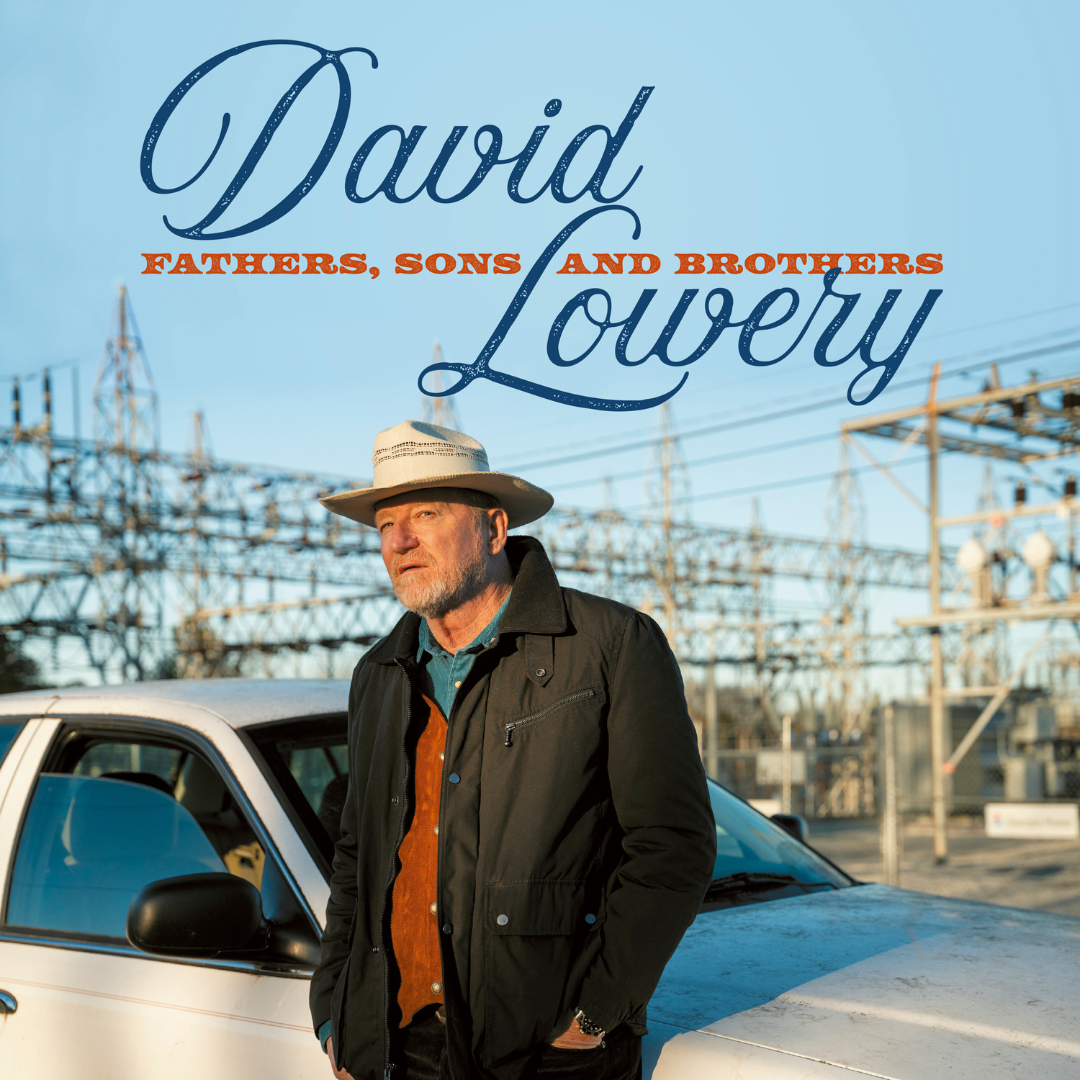
Stream or buy this album here: https://davidl.lnk.to/FSB

This song has an interesting pedigree. Although it was written long before I started this project, it seemed to fill a gap in the story. And like all fiction it was somewhat autobiographical. The song first appeared on a Cracker album of the same name, though in a very different form. The Cracker version is much more upbeat and, for lack of a better word, more alternative rock. The Cracker version evolved over a number of years from separate musical ideas. The introduction was a riff and chord progression that Johnny and I were jamming on during a soundcheck in Köln, Germany. I happened to record it on my laptop. I know this because it was labeled as “Riff Koln Germany” in my music library. Separately, I had another piece of music that became the verse and chorus—moodier, downtempo, and self-reflective. I was riffing on the line “Sunrise in the Land of Milk and Honey,” not sure why. The land of milk and honey, of course, is a reference to several Old Testament verses:

Exodus 3:8: “So I have come down to deliver them from the power of the Egyptians, and to bring them up from that land to a good and spacious land, to a land flowing with milk and honey…”

David Lowery- Fathers Sons and Brothers is a reader-supported publication. To receive new posts and support my work, consider becoming a free or paid subscriber.

Numbers: “If the LORD delights in us, then He will bring us into this land and give it to us, ‘a land which flows with milk and honey.’”

Deuteronomy 26:9: “And he brought us into this place and gave us this land, a land flowing with milk and honey.”

At that point in my life, I did have many things to be thankful for—a wife, two young boys. In the material realm, I had a house, a studio complex, and money in the bank. Even though the music business was becoming much more difficult—the digital age was upon us, sales were falling across the board, royalties were dropping—it wasn’t as if Mary, the kids, and I were wanting for anything. I lived in The Land of Milk and Honey. But I was working hard, doing long tours or spending long hours at the studio to make ends meet. That had begun to wear on me.

Something was missing. I couldn’t put my finger on it. So in the song, I have the female character say:

Sunrise in the Land of Milk and Honey

she says, my little bunny,

is this all that there is?

But it’s really me asking this question. There was something about the constant focus on myself that was part of the job—listening to my voice over and over as I edited vocals, selecting promo photos, deciding which image best matched how I wanted the public to perceive me. I’d hear people say they needed more “me time” and think, “I need a lot less me time.” There was also the constant traveling, and each night you’d make quick, temporary friendships with the local crew or promoter, go out for a beer afterwards, and then the next day move on to a different set of people. I was discussing this one day with a fellow musician, and he said, “Yeah, it’s probably turning us into sociopaths.” That might be a little harsh, but it definitely forces you into a kind of narcissism—and that is never good.

That’s some of what this song is about. It also echoes a phrase often used in AA meetings: “Dying is easy, it’s living that’s hard.” This is also borrowed from a John Totaro song—a Boston/Charleston artist I was producing a record for around this time and for this I’m forever indebted. So there is an obvious conflict here: I’m surrounded by love, abundance, and good fortune, but still, somehow, living is a struggle. Why?

There is some real darkness in this song—or perhaps not in the song itself, but in the background against which it was written. There was a horrible murder in Richmond on New Year’s Day 2006 that devastated many of us in the music scene. I wouldn’t google the details. My neighbor, friend, and fellow musician Bryan Harvey, his wife, and their two young girls were murdered in a senseless home invasion. That’s not strong enough—an incarnation of pure evil, like something from a Cormac McCarthy novel. Even to this day, it’s difficult to type this and acknowledge the tragedy. It changed me, Mary, and many of our friends.

It led me to read the book When Bad Things Happen to Good People. This book by Rabbi Harold Kushner explores why suffering and tragedy occur, especially to those who seem undeserving. Kushner argues that God is benevolent but does not control every event in the world. He emphasizes that bad things can happen to anyone, regardless of their goodness, and that the universe contains both order and randomness. Yet God is present with us in our suffering and is the source of resilience and comfort.

So when I hear this song, the story and words are sung with this tragedy as a backdrop. It’s not about the murders, but it’s there.

Years after recording this with Cracker, I began to play the song solo, or sometimes with Hickman—much slower, much moodier, and darker, because you can’t make this song too dark. Eventually, I recorded this track with Mark Gilley and Bryan Howard on horns, and Luke Moller again adding a wonderful string arrangement. It feels closer to what I originally intended.

Sunrise in the land of the pharaohs 
I see my broken arrows
Scattered ‘cross the plain

Sunrise on the river in the city 
I’m feeling pretty shitty
In the wreckage of my life 

So if you wanna live
Let’s live together
In boas and feathers
In Weimar decadence

And if you wanna die
We can take the low road
‘Cause dying is easy
It’s living that’s hard

Sunrise in the land of milk and honey
She says “my little bunny
Is this all that there is?”

Sunrise in the land of southern idols
Lines on hotel bibles
With fallen debutantes

So If you wanna see
What’s in the shadows
The burning meadows
In our apocalypse

I dream of fallow fields
I dream of winter
‘Cause dying is easy
It’s living that’s hard

+++++++++++++++++

Mark Gilley: saxophones, horn arrangements

Bryan Howard: bass and saxophones

David Lowery: vocals and guitars

Luke Moller: all strings and arrangement

Velena Vego: tambourine and claps

#104 Mark Loved Dogs and Babies

Posted in Uncategorized on July 3, 2025 by Dr. David C Lowery

By Osmund Geier – Own work, CC BY 3.0, https://commons.wikimedia.org/w/index.php?curid=8421064

David Lowery- Fathers Sons and Brothers is a reader-supported publication. To receive new posts and support my work, consider becoming a free or paid subscriber.

Stream or order this album here.

Throughout my life, I’ve had many dogs and many cats. They have richly rewarded me. I couldn’t tell my story without at least mentioning some of the key animals in my life. When I started dating Mary, I found a kindred spirit in my love for animals. But Mary was even more devoted—she had a special calling to rescue the stray, the unloved, and the hard-luck cases. Three dogs were especially important in the early years in Richmond.

Mary had found some kind of greyhound mix, nearly completely hairless from malnutrition and mange, wandering through traffic in the Carytown neighborhood of Richmond. She named her Daisy, and she was actually a fine-looking dog once her hair grew back. People constantly asked what breed Daisy was, thinking she was some kind of purebred hound or working dog. Normally, she was well-behaved, but she never completely lost her street-dog ways, and we had to constantly be on guard with our food. If she thought she could get away with it—and the reward was great enough—all training was overridden. One time, I found her on the kitchen counter, delicately removing sausages I was cooking in an iron skillet. She also developed a habit of running to the door and barking as if someone had knocked. I fell for it once and returned to find my plate of Greek spaghetti missing. Daisy was nowhere to be found.

Jed was a black lab-chow mix, or something like that—a fairly large dog. Mary first noticed him and his sister when they were maybe four months old. They were living in the woods behind a 7-11 on Doswell Rd, just off Interstate 95. Clearly, someone had dumped them there. The two of them had figured out how to beg for food from the customers at the 7-11, but they had gone almost completely feral at this point, and Mary couldn’t catch them. Eventually, someone managed to catch the sister and take her home, but this left poor Jed in the woods alone.

One day, Mary noticed that Jed was not there. She asked the manager at the 7-11, and he said that the game warden had taken Jed a few days ago. When Mary called the game warden, she learned Jed was scheduled for euthanasia. Mary said she wanted to take him home. The warden was skeptical. He thought that Jed, now about six or eight months old, was going to be difficult to domesticate again. Jed would snap at anyone who tried to approach him in the kennel. Eventually, the warden relented. He caught Jed with a loop and pole and put him in the truck. He drove him to our property.

We were now living in the country, and I had fenced about an acre and a half of the property around the house. The warden just drove into the middle of the property, and we coaxed Jed out. He bolted toward the shed/recording studio and managed to get underneath it. Eventually, he made himself a little den under there. We took food to him and gave him water. After a few days of this, we introduced our other dogs to him. That is always a scary moment, as they were both much smaller than he was. Fortunately, he was very friendly toward other dogs, and when our littlest, Lucy, invited him to play, he joined in. Soon, he was out patrolling the property as part of our little misfit dog pack. But he remained half-wild; you couldn’t approach him and pet him.

Our old country vet suggested we just buy a block of cheese and try to feed him little treats by hand. Why cheese? The vet sort of shrugged and said, “Dogs love cheese.” This worked rather quickly, and suddenly we were able to pet him (briefly) or give him a scratch under his collar. But he would be almost a year old before he would come in the house.

It was winter. He’d finally started sleeping in the doghouse we had on the porch next to the front door. I had a heating pad in the doghouse. Finally, one night we had one of those polar vortex events, and the temperature was forecast to go down to minus five. I’d been trying to get him to come in the house almost every night for a while. We had this giant wood stove in the foyer of the old farmhouse. It would heat the entire house. He’d taken to standing in the door if it was open and bathing in the heat from the stove, but he wouldn’t come in. But this night, we opened the door, Mary talked to him a little bit, and he walked in on his own accord. There were four or five cats sprawled on the floor around the wood stove. A couple of them darted off, but others barely moved, and he joined them on the floor next to the stove.

Eventually, Jed became the most normal and well-behaved of all the dogs: good on a leash, good with other dogs, friendly to people. With one curious exception—he didn’t like Johnny Hickman. We have no idea why, but if I didn’t keep him under voice command, he would circle behind Hickman and nip at his rear. He made pretty good contact once. Hickman stopped visiting us after that.

Mary found Lucy in an alley in the Church Hill neighborhood of Richmond. She heard an animal clearly in distress and went running. The dog had apparently fallen off the second-floor balcony of a house—at least, that’s what her owner told Mary. But that didn’t seem right. It wasn’t that high, and Lucy clearly had a severely broken right rear leg. It seemed more like abuse. Mary just scooped Lucy up, and we took her to the vet. She didn’t ask permission. Lucy required some pretty major surgery, and in the end, they basically fused a joint so that she always walked with a limp, or when running, swung that leg out in circles.

She was the smallest of the dogs and quickly established herself as the alpha. In my pickup truck, there was a specific order: she had to sit in the middle next to me, Mary got the window, or if Mary wasn’t there, Daisy was next to her and Jed was at the window. She would snap at the other dogs until they were in the proper order.

We always had to warn people not to pet Lucy because we never knew when she might bite someone. She was mostly fine with people petting her, but when she was done, she’d just bite you to make you stop.

The one exception was Mark Linkous, the singer of Sparklehorse. As mentioned previously, Mark and his brother were the first people I met in Richmond. Mark and I became very close, and he would stay with us all the time. Lucy loved Mark. She never bit him. Mark grew really fond of Lucy and would just come by the house sometimes and pick Lucy up while he drove around and did errands.

There are a few songs that Mark wrote that seem as if he’s referencing a pretty girl, but he’s actually talking about Lucy. “Happy Place” is entirely about Lucy, specifically her habit of controlling the dog food dish despite being significantly smaller than his dogs. She would take a mouthful of her food away from the dish and eat it in her “happy place” when she judged it was time to let the other dogs eat.

Mark loved dogs. And babies. When my oldest son was born, he was the first one at the hospital to visit.

He also gave my son his middle name, or at least lobbied hard for it (it’s a Cormac McCarthy reference; he was a big fan). Mark called from the front desk to my wife’s room, and the nurse picked up the phone and said, “Is <redacted> here?” She was very confused—Why was the baby getting a phone call? It’s an unusual name, Perhaps its a family name? is there a <redacted> Sr?

The sad thing about this is that Mark and his wife were not able to have children. I joked in a previous song about the old trope, “A baby will fix everything,” but in this case, I don’t know—maybe it would have. The science is mixed on generic self-reported happiness levels for parents, but there is evidence that fathers who are not estranged from their children are less likely to fall into “hopelessness” and die deaths of despair. Knowing Mark for a very long time, my hunch is he might not have taken his life if he had the sense of purpose and responsibility that comes along with fatherhood. There is certainly research that shows that fatherhood has the greatest effect on reducing deaths of despair among middle-aged rural white males—a demographic to which Mark belonged. Unfortunately we will never know.

Mary found Jed behind the 7-11 out on Doswell road

It took a while to tame him but then it took

It was minus 5 one winter night

The wood stove blazing hot

He came into the house all on his own

Jed never liked the guitar player

He was always trying to bite his ass

Other wise that dog loved everyone

Lucy had a broken leg

From a fall off a balcony

That’s what her owner said we didn’t believe

Took little Lucy got a pin put in her leg

And no, we never took her back

I guess we are dog nappers

Lucy bit everybody except for Mark Linkous

He would pick her up for rides in his car

He even wrote two songs about her

And everyone just assumed

They were love songs about a beautiful girl

Mark loved dogs and babies he came to visit my day-old son

He took a big sniff of his head and said “I love that smell”

Mark loved dogs and babies and may have a happier life

If he and his wife could have had little babies of their own

Or maybe not

++++++++++++++++++++++++

David Lowery: vocals, guitar and bass
Luke Moller: fiddles
Velena Vego: tambourine

David Lowery- Fathers Sons and Brothers is a reader-supported publication. To receive new posts and support my work, consider becoming a free or paid subscriber.

#103 Fat Little Babies

Posted in Uncategorized on July 1, 2025 by Dr. David C Lowery

Stream or order this album here.

Musically, this tune is a playful riff on that “border ska” faux norteño vibe Camper Van Beethoven used to mess around with. Honestly, most of the creative juice here went straight into the music. It’s mainly me and Luke Moller trading licks, riffing on all those classic Northern Mexican sounds. For an Australian fiddler, Luke absolutely nails it. It’s uncanny—like he spent his youth cruising around Southern California, soaking up all those “Mexican Regional” radio stations. The only thing we’re missing is a herd of tuba and trumpet players to really bring that wild, brassy energy to the party.

David Lowery- Fathers Sons and Brothers is a reader-supported publication. To receive new posts and support my work, consider becoming a free or paid subscriber.

Lyrically—if I’m being straight with you—there’s not a whole lot going on. Apparently, I come off as firmly pro-natalist, which is a strange thing to have to declare these days. What a bizarre world, where there’s a whole pseudo-intellectual crowd arguing we should stop having kids so we don’t upset the forest sprites. At least, that’s the vibe in certain circles in The West. But honestly, sometimes I think it’s just a handy excuse for folks who don’t want to let go of the single-adult lifestyle. Back in my twenties, I was pitching the idea to my girlfriend that we should just fill up a station wagon with babies and figure it out as we went—while secretly dreading the loss of late-night hangs, good food, and music with friends. So on some level I get it.

And there’s some truth there. Sure, you can try to have it both ways, but then you end up with “Fat little babies, wake you with a hangover.” That’s not just a lyric—that’s exactly what happened when my boys were small.

I’m also poking at that old trope—“a baby will fix everything.” It used to be grandmotherly wisdom; then it got recycled in rom-coms as a punchline. Now, some academics call it a harmful myth, cruel to people who can’t or don’t want to have kids.

But for me, the idea that babies fix everything wasn’t far off. I was in my late thirties when my first kid arrived, and it really forced me to grow up—made me a kinder, more patient human. Fifteen years in the music business had me turning into a bit of a narcissist. It took a few more years to quit drinking and sort myself out, but the moment our son was born, it was like the world gained a whole new dimension. My sense of purpose changed overnight. Even now, with my sons grown and living their own lives, I’m still amazed at how much they continue to change me.

Of course, becoming a parent doesn’t magically fix everyone—especially in showbiz. I know plenty of artists who are still as selfish and narcissistic as ever, kids or no kids. I remember watching this showbiz couple at a festival, just behaving terribly in front of their twelve-year-old. One of the younger women in our crew was watching too, and she leans over and says, “That kid’s gonna write a hell of a memoir someday—just hope he doesn’t have to become an alcoholic or a junkie first.”

So, I guess the low bar moral of the story is this: try to be the kind of parent your kids can’t make a bestseller out of.

Fat little babies riding on a cosmic chariot

Fat little babies trip the light fantastic

Fat little babies won’t fix everything between you and me

Fat little babies the mystery of the universe

C’mon darling everything will be all right

We should have a station wagon full

Of fat little babies

C’mon darling everything will be all right

We should have a station wagon full

Of fat little babies

Fat little babies wake you with a hangover

Fat little babies eating from the dog food dish

Fat little babies can’t make you like me any less

Fat little babies what’s it gonna hurt?

C’mon darling everything will be all right

We should have a station wagon full

Of fat little babies

+++++++++++++

David Lowery: vocals, guitars and bass

Luke Moller: strings

David Lowery- Fathers Sons and Brothers is a reader-supported publication. To receive new posts and support my work, consider becoming a free or paid subscriber.